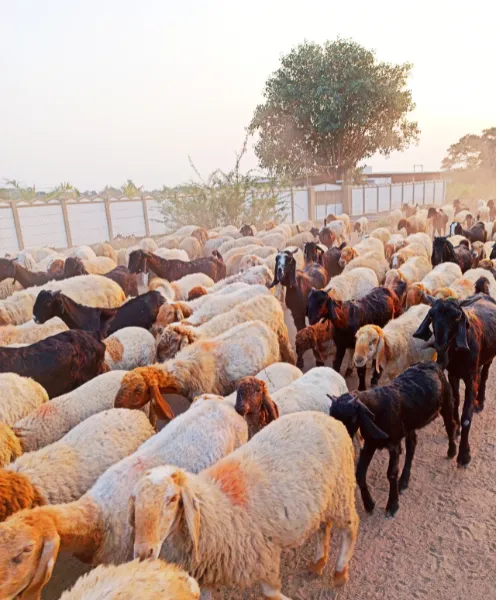
Livestock aggregation is an important part of our trading model because individual suppliers may not always have sufficient animals to meet the requirements of larger commercial buyers. By bringing together livestock from multiple reliable sources, we can consolidate available supply and create opportunities to serve bulk orders more efficiently.
Our aggregation activities may involve identifying suitable suppliers, coordinating collection points, consolidating livestock, assessing available quantities, and organizing movement to designated holding yards, markets, or customer destinations. We seek to maintain clear communication with suppliers and buyers throughout the process to ensure that requirements are properly understood and coordinated.
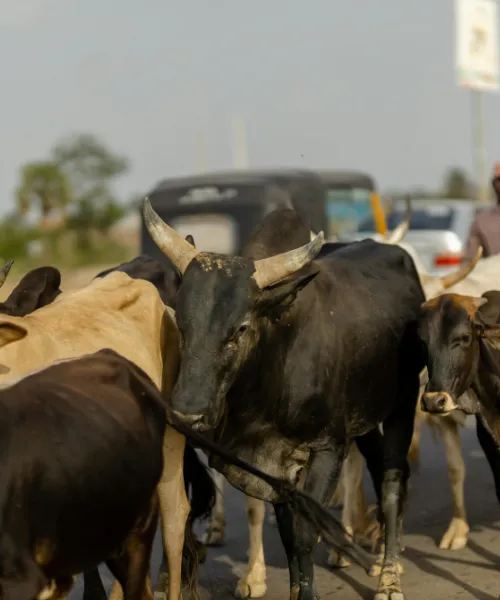
– Cattle
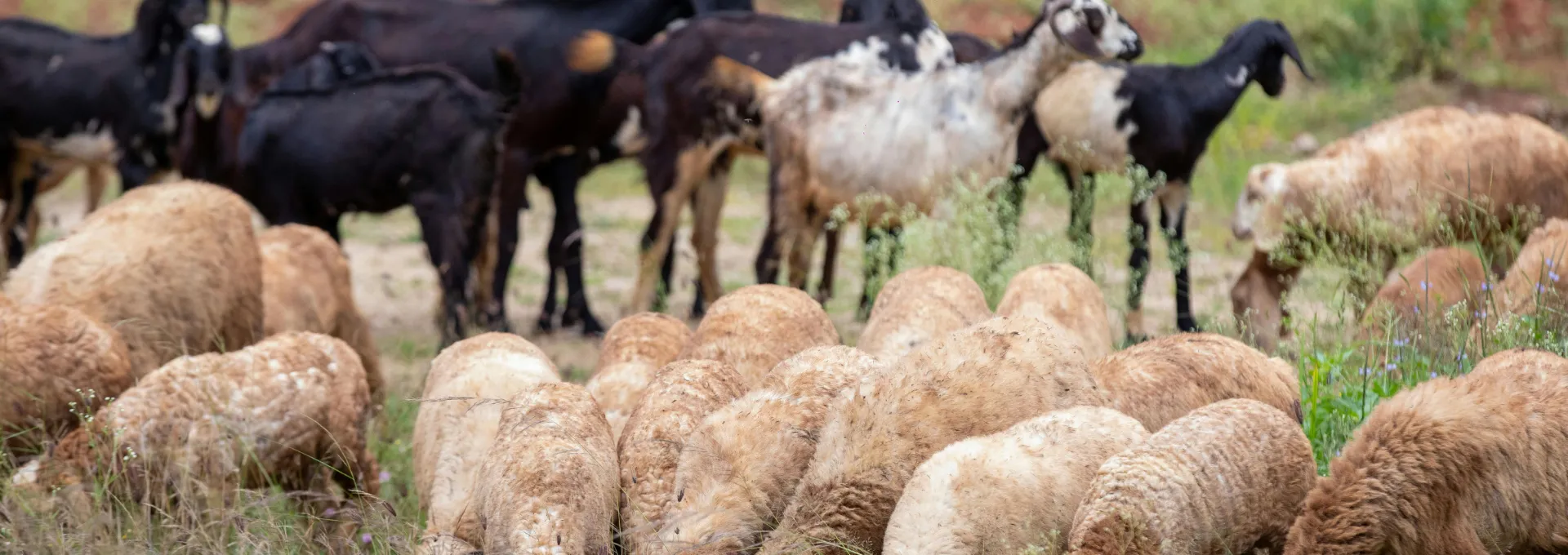
– Goats
– Sheep
– Camels
– Other livestock based on customer and market requirements.
We focus on building a dependable network of livestock suppliers across selected sourcing areas. This network enables us to respond to changing market demand and identify livestock that can be consolidated to meet larger orders. Where appropriate, we coordinate with livestock transporters and other relevant service providers to facilitate efficient movement of aggregated livestock.
Our approach also creates opportunities for smaller-scale farmers and pastoralists by connecting their livestock to larger commercial markets. By consolidating supply, we seek to improve market access, strengthen relationships between suppliers and buyers, and facilitate more efficient livestock trading.
Through effective aggregation, Amala Livestock Traders aims to provide customers with reliable supply, appropriate quantities, quality livestock, and coordinated delivery, while creating sustainable commercial opportunities for livestock producers and suppliers.
Ultimately, our aggregation model enables the group to respond more effectively to bulk purchasing opportunities and regional market demand, strengthening our position as a reliable link between livestock producers and commercial buyers across Kenya and the wider regional market.